
Health & Wellness Under the NDIS: Looking After the Whole You.
Explore how NDIS-funded supports can help you care for your body, mind and emotions. From exercise and allied health to daily routines, small changes can help you feel stronger, calmer and more in control.
Health is more than the gym
When people hear "health and fitness" they often picture heavy weights and hard sessions. That's not what we mean. Health is sleeping better, having energy for the day, feeling less anxious in busy places, eating in a way that makes you feel good, and moving in a way your body enjoys. Every one of those can be supported under the NDIS when it relates to your disability and your goals.
Body: move a little, often
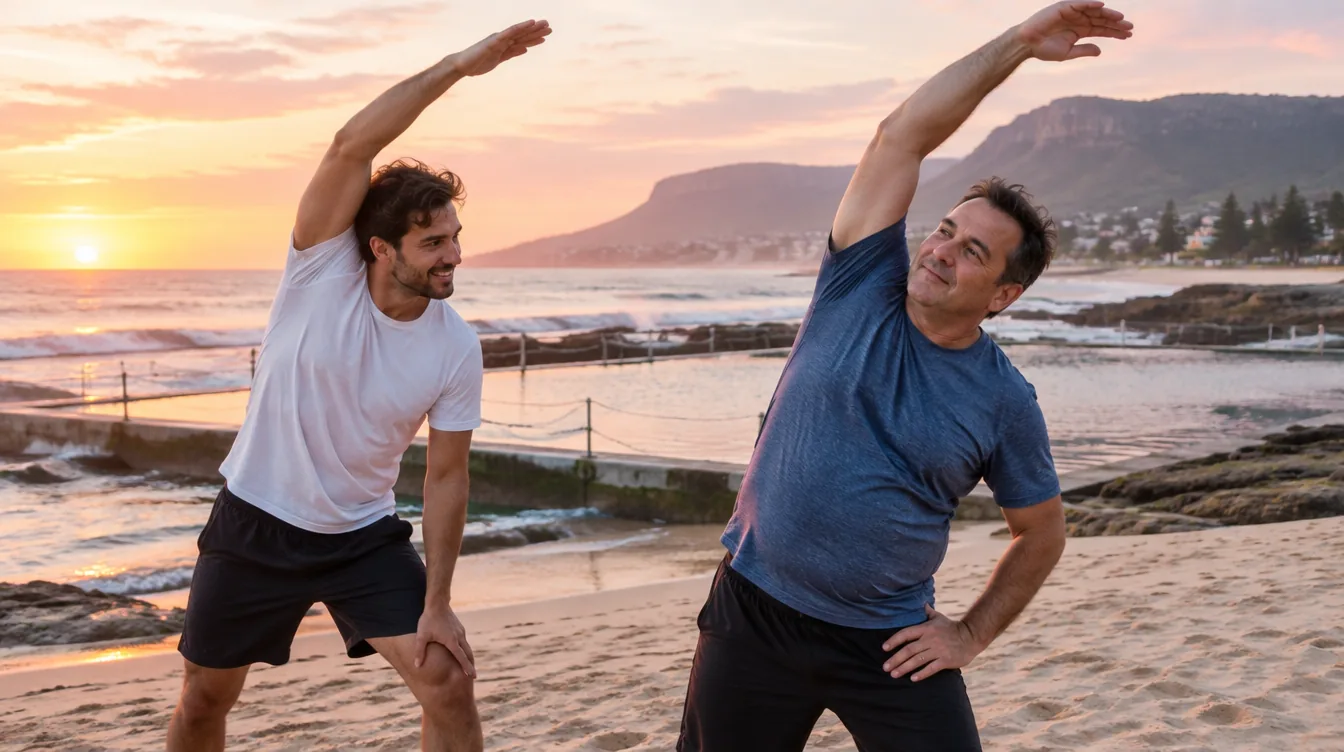
The single most effective thing most of us can do for our health is move more, more often. For some participants that's a walk along the Blue Mile. For others it's a swim at the ocean pool, a gentle gym program or a stretch routine on the lounge-room floor. All of our support workers hold fitness qualifications, so we can build a program that's safe, realistic and matched to your ability, and adjust it as you get stronger.
- Start with 10–20 minutes, two or three times a week.
- Pick something you actually like. Consistency beats intensity.
- Track it somewhere you can see it: a calendar tick, a note, a photo.
Food: practical, not perfect
Nutrition doesn't have to be complicated. Our founder Justin's background in public health and human nutrition shapes the way we support participants around food: planning a few simple meals, shopping for them together, learning basic cooking skills and building routines that stick. Small wins like a proper breakfast or one home-cooked dinner a week add up fast.
Mind: routines and regulation
Mental wellbeing is often the goal behind the goal. Getting out of the house, meeting people, moving your body and sleeping well are all things that reduce anxiety and lift mood. We work with participants on strategies for emotional regulation in real settings, at a pace that feels safe, and we coordinate with psychologists, OTs and other allied health professionals where they're involved.
Where this sits in an NDIS plan
Health-related supports can sit under Capacity Building (Improved Health & Wellbeing), which may include exercise physiology, dietetics and personal training that relates to your disability. Support workers helping you get to, and take part in, health activities are often funded under Core supports. Your plan and your Support Coordinator will confirm what applies to you.
A simple weekly rhythm
- Monday: plan the week and the meals, shop together.
- Wednesday: movement session: walk, gym or pool.
- Friday: something social and active in the community.
- Every day: one small habit: water, a walk, a proper breakfast.
The rhythm is the point. Once it's in place, everything else gets easier.
This article is general information only and isn't a substitute for advice from your NDIS planner, Support Coordinator, GP or allied health professional. Support categories and funding rules can change; always check your current plan.